
Arrière-fond
2016-2023
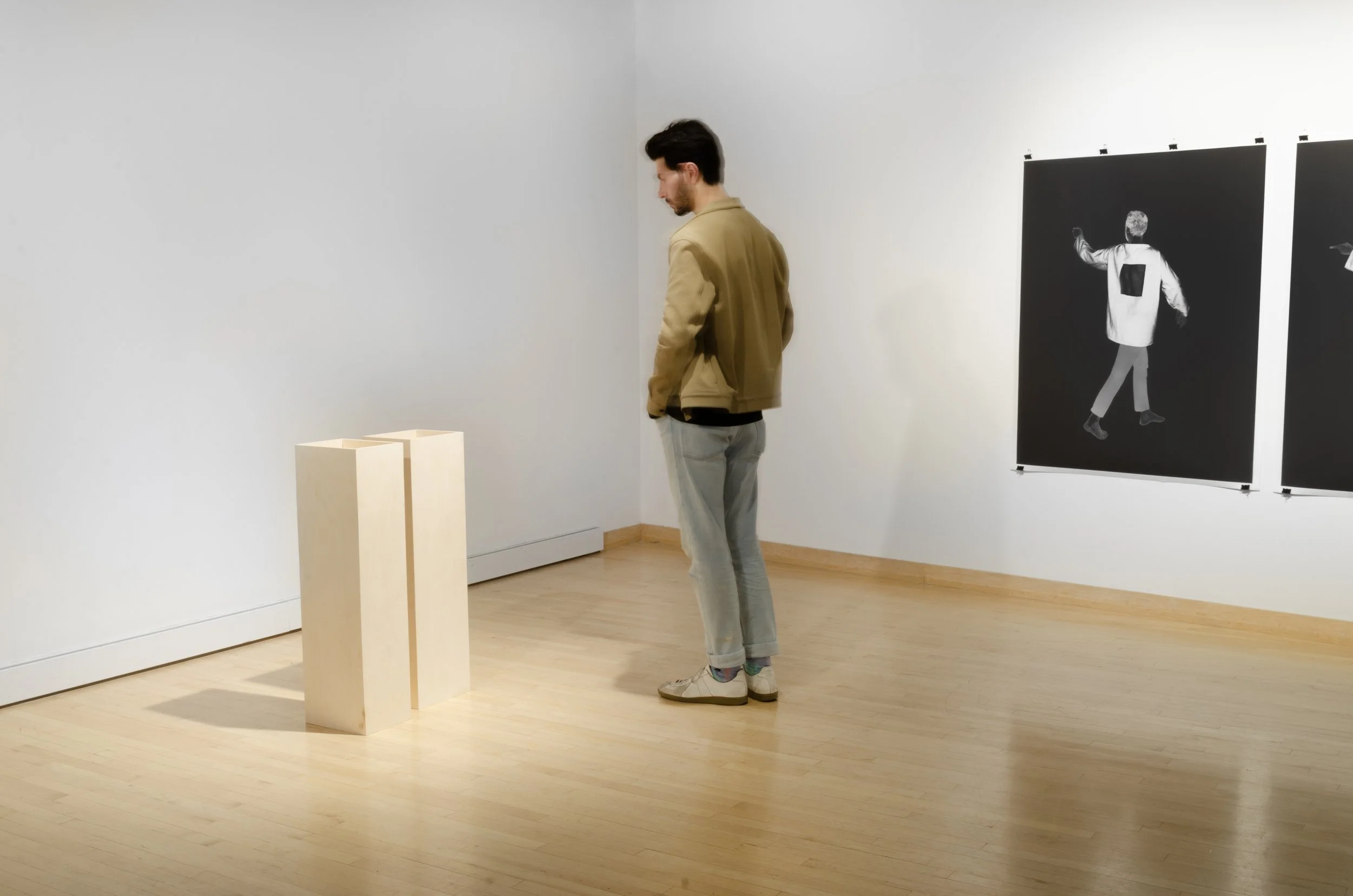
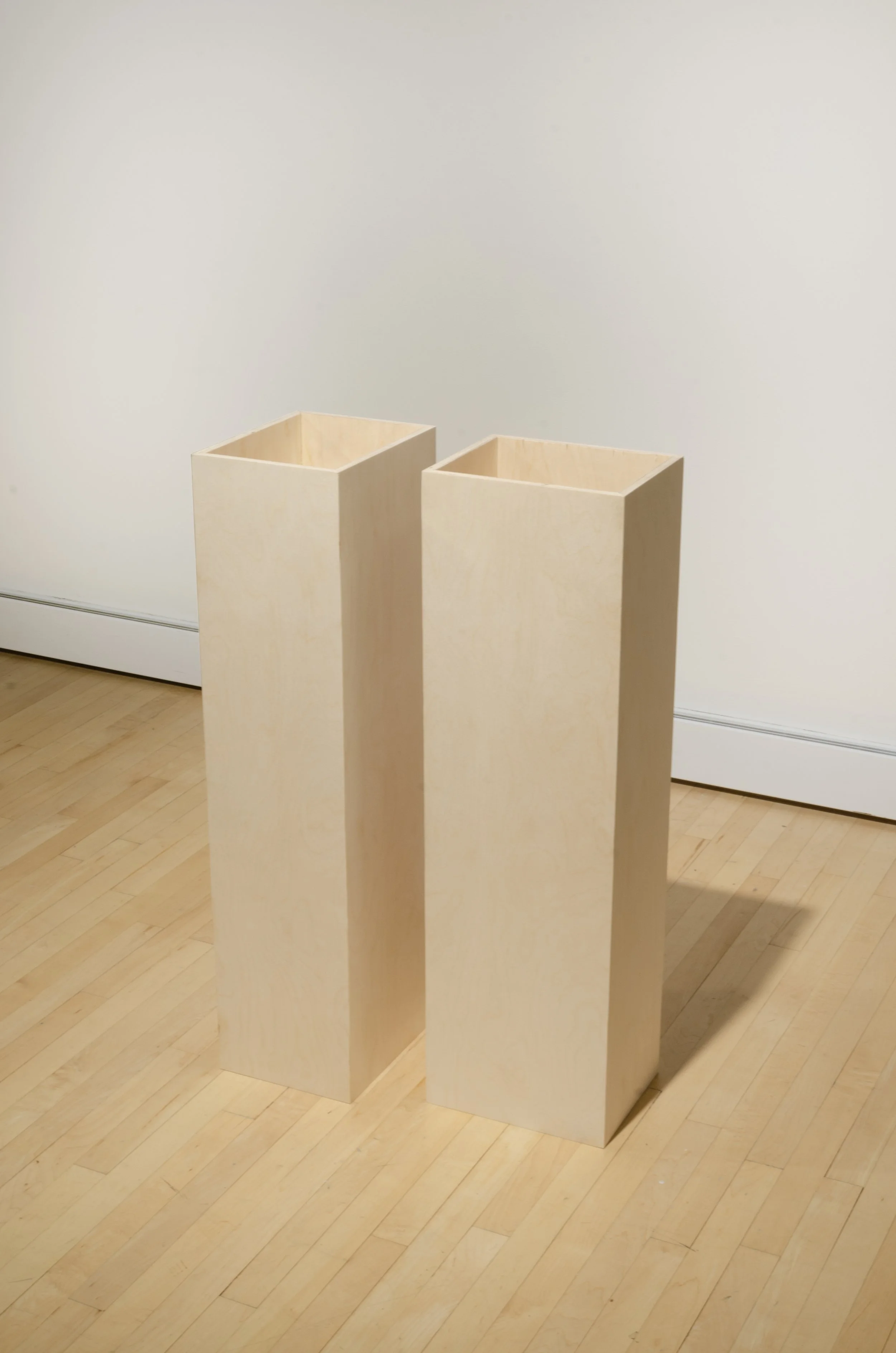
De Spermate (On the Use of Parts), 2022 Birch plywood Diptych, 8” x 10” x 34” each
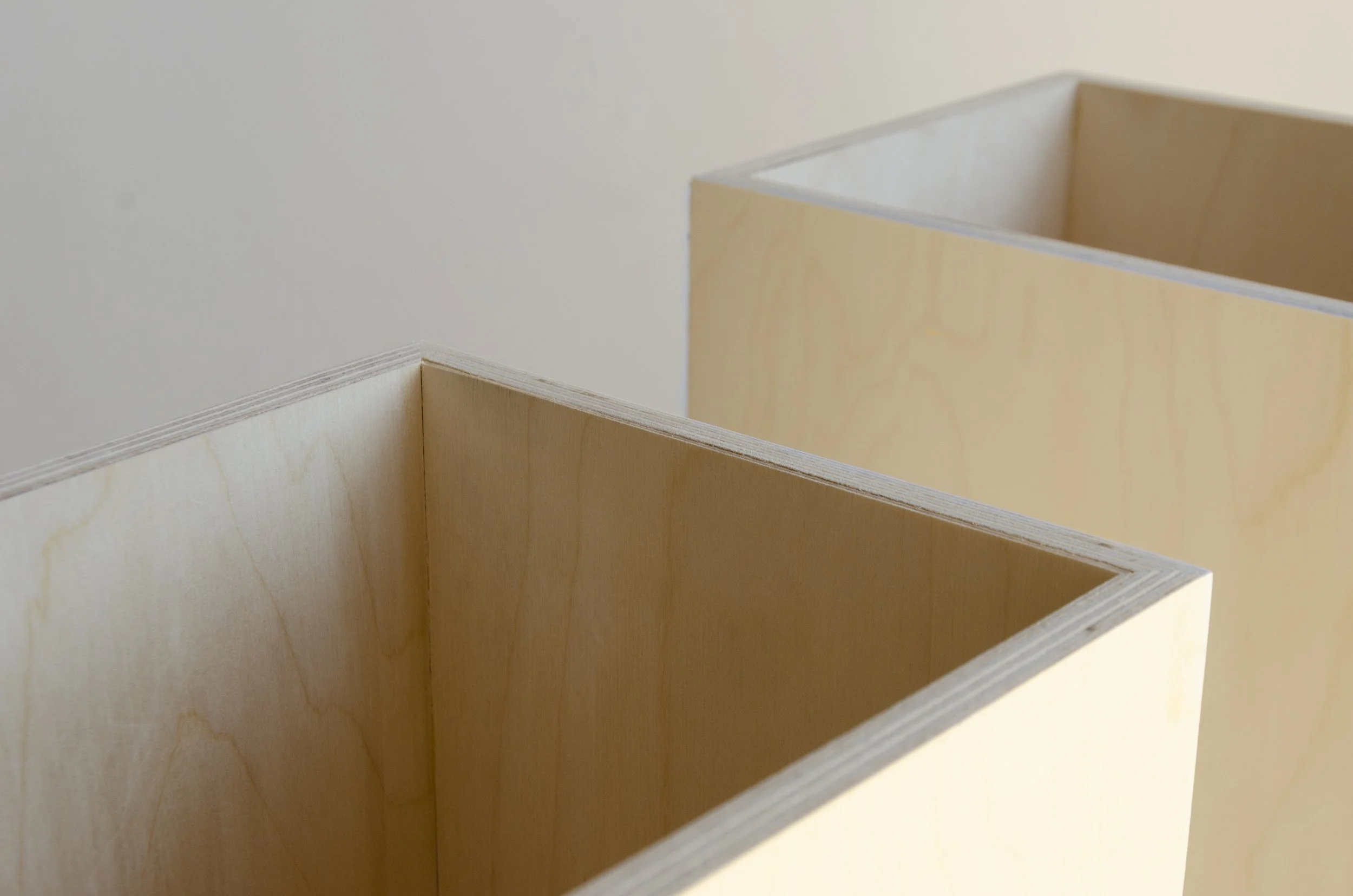
De Spermate (On the Use of Parts), 2022 Birch plywood Diptych, 8” x 10” x 34” each
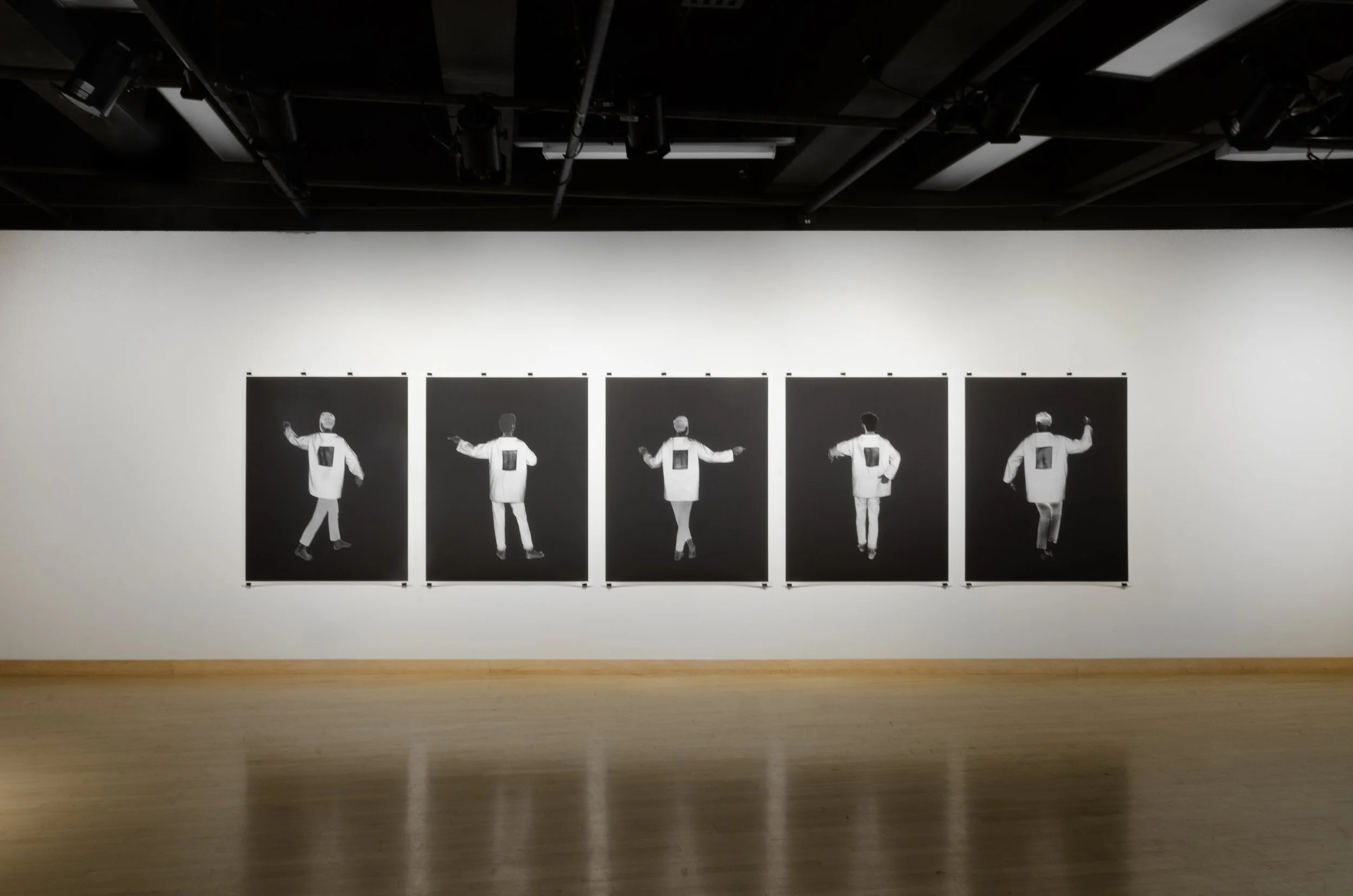
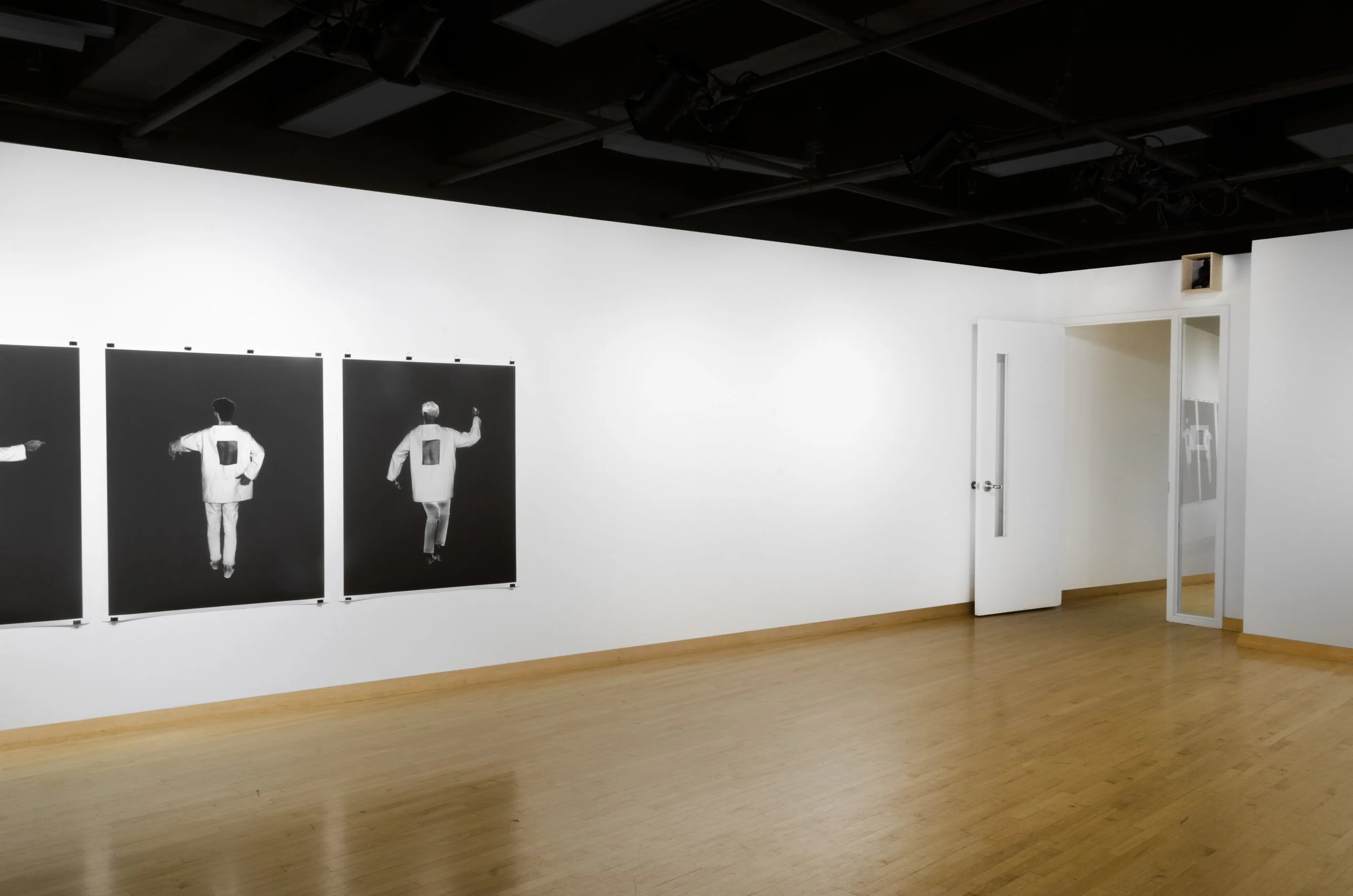
Reliquary Sequence, 2017-2021 Inkjet prints 40 x 50” each
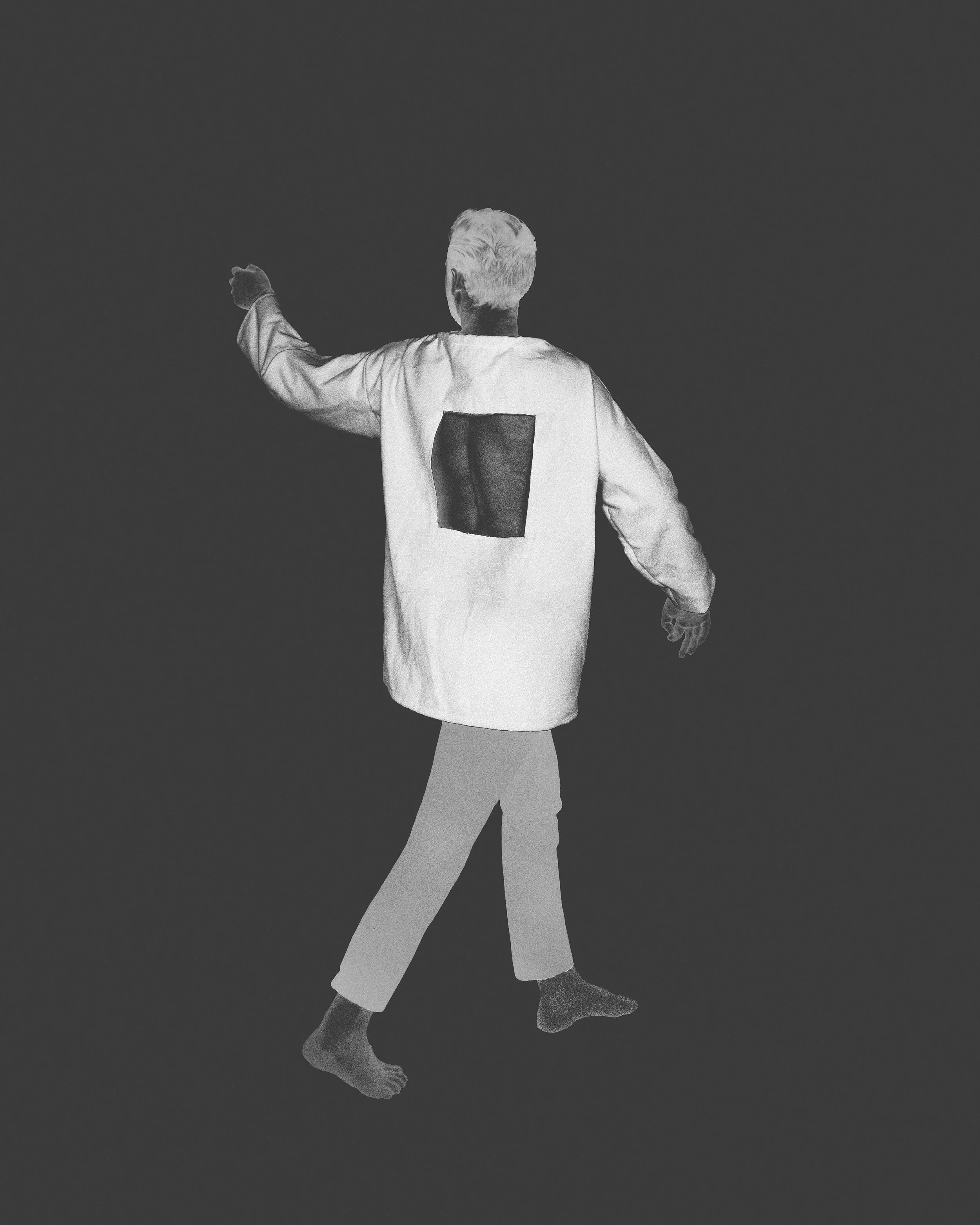
Reliquary I (Italy), 2017-2021 Inkjet print 40 x 50”
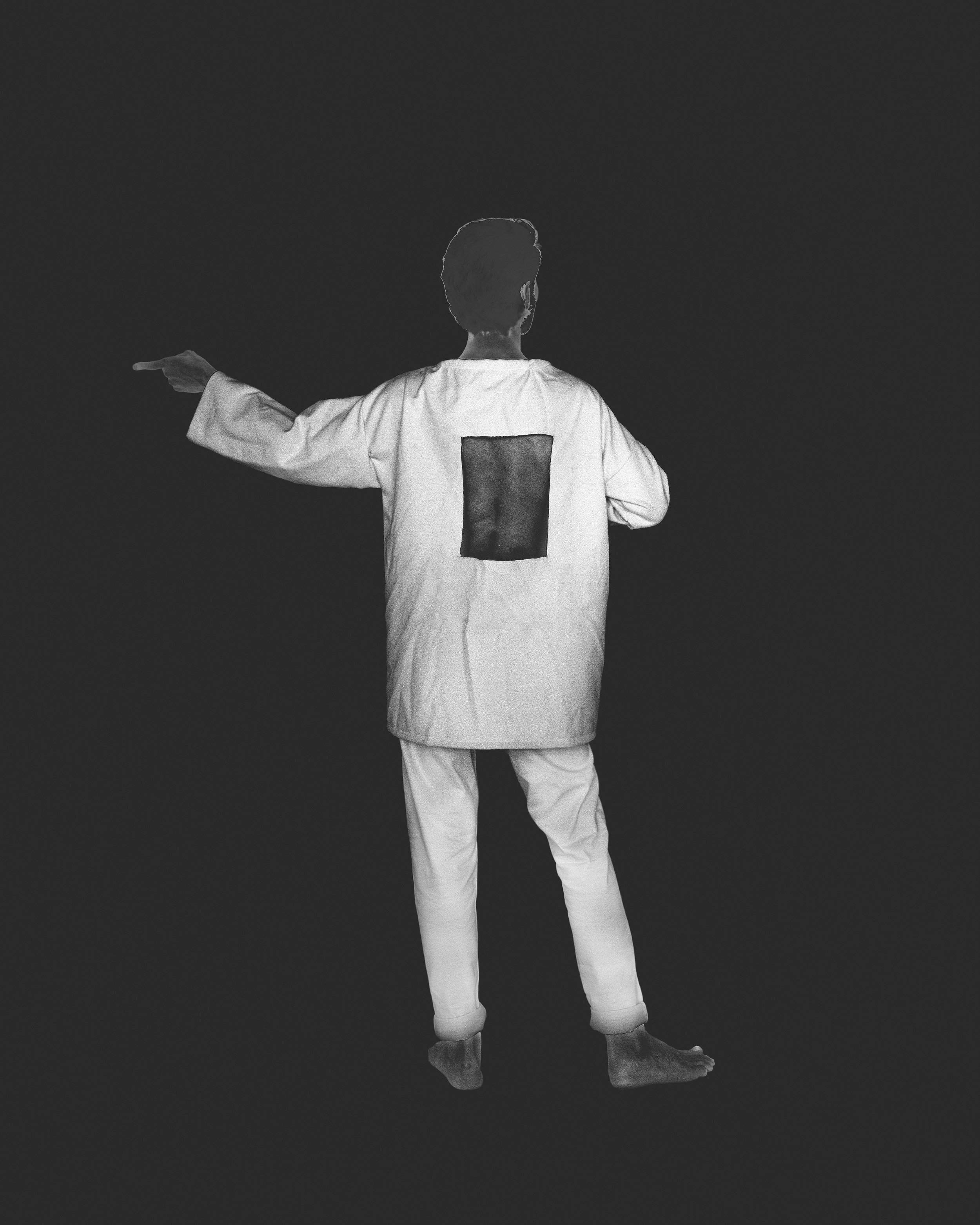
Reliquary II (Canada), 2017-2021 Inkjet print 40 x 50”
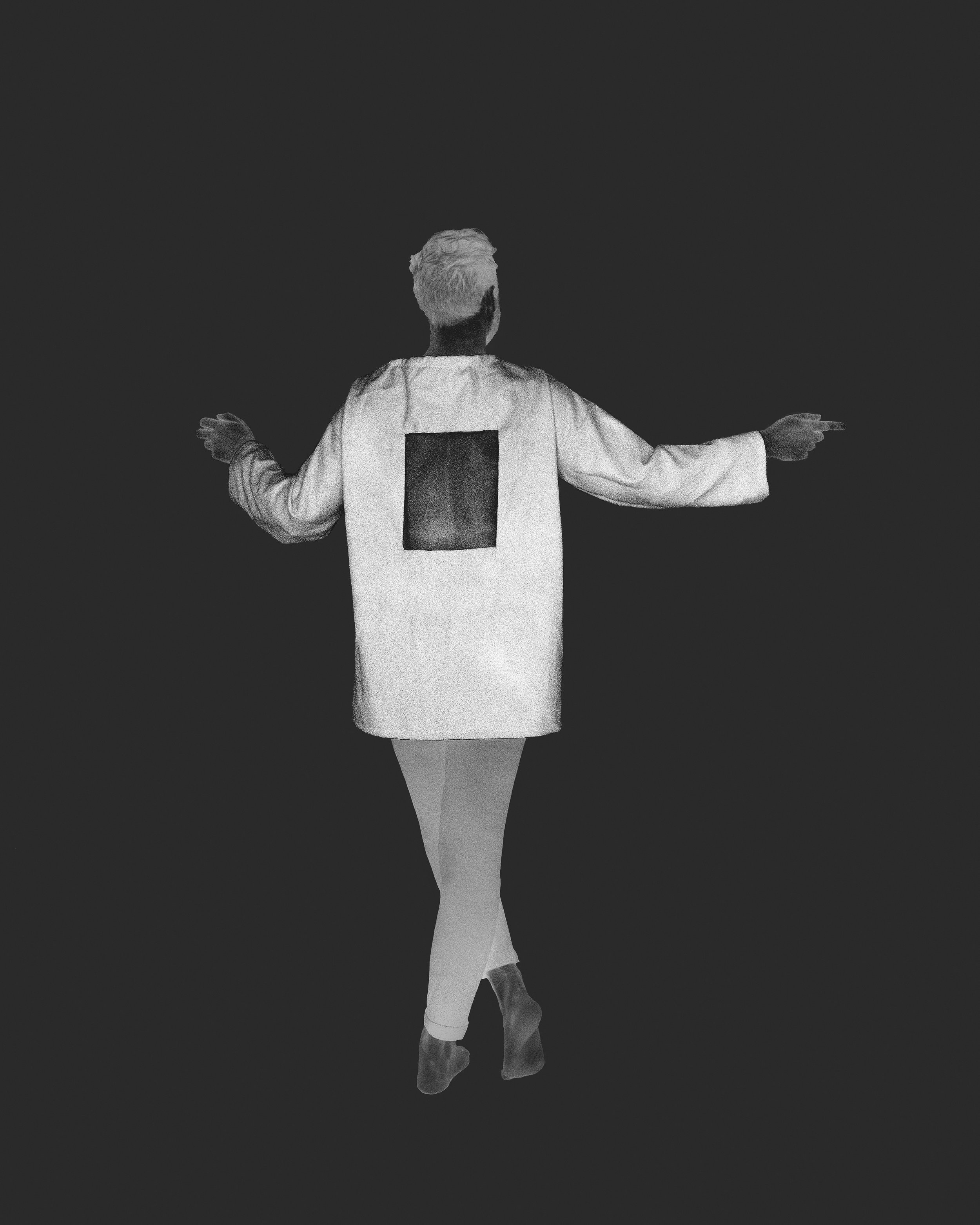
Reliquary III (France), 2017-2021 Inkjet print 40 x 50”
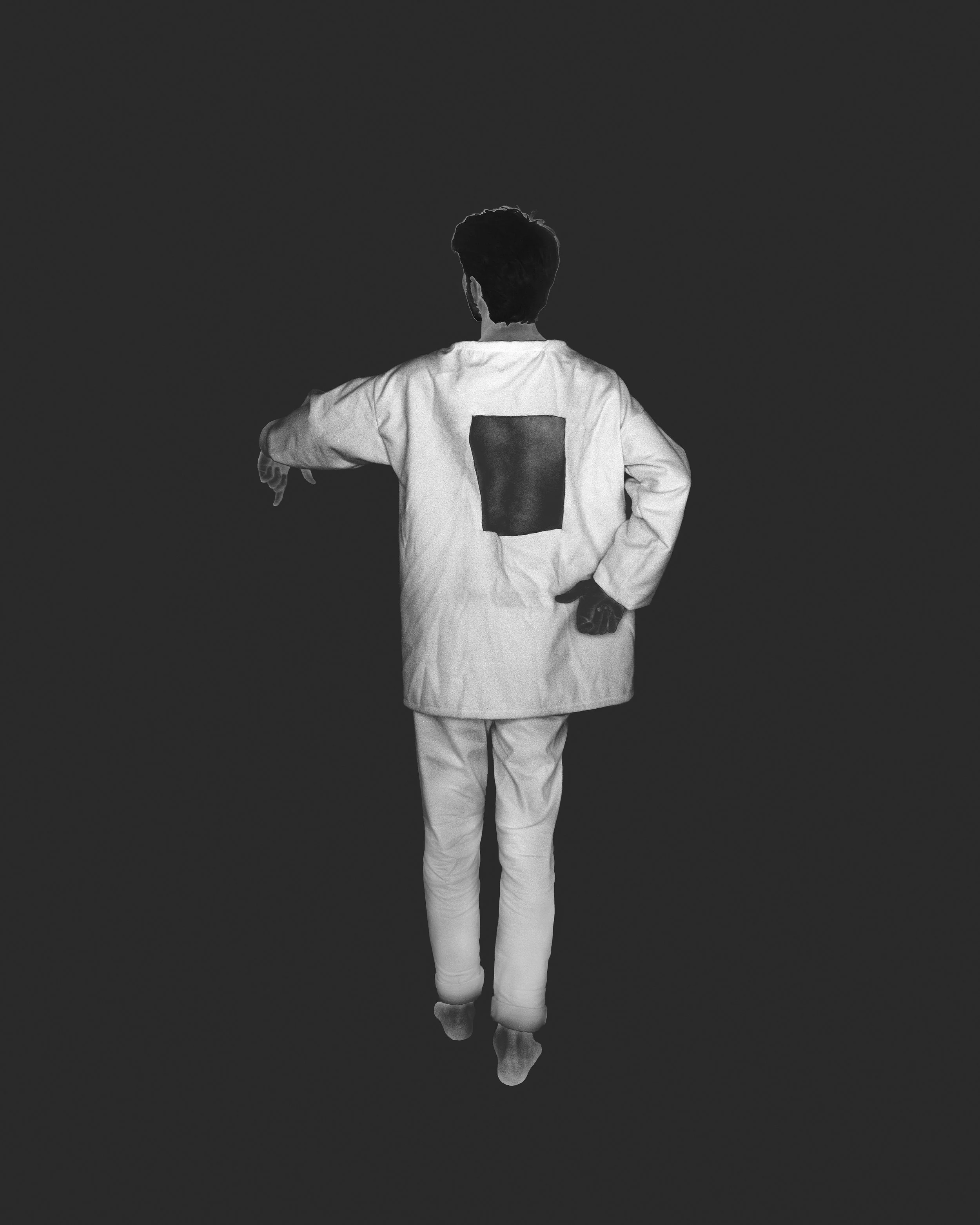
Reliquary IV (England), 2017-2021 Inkjet print 40 x 50”
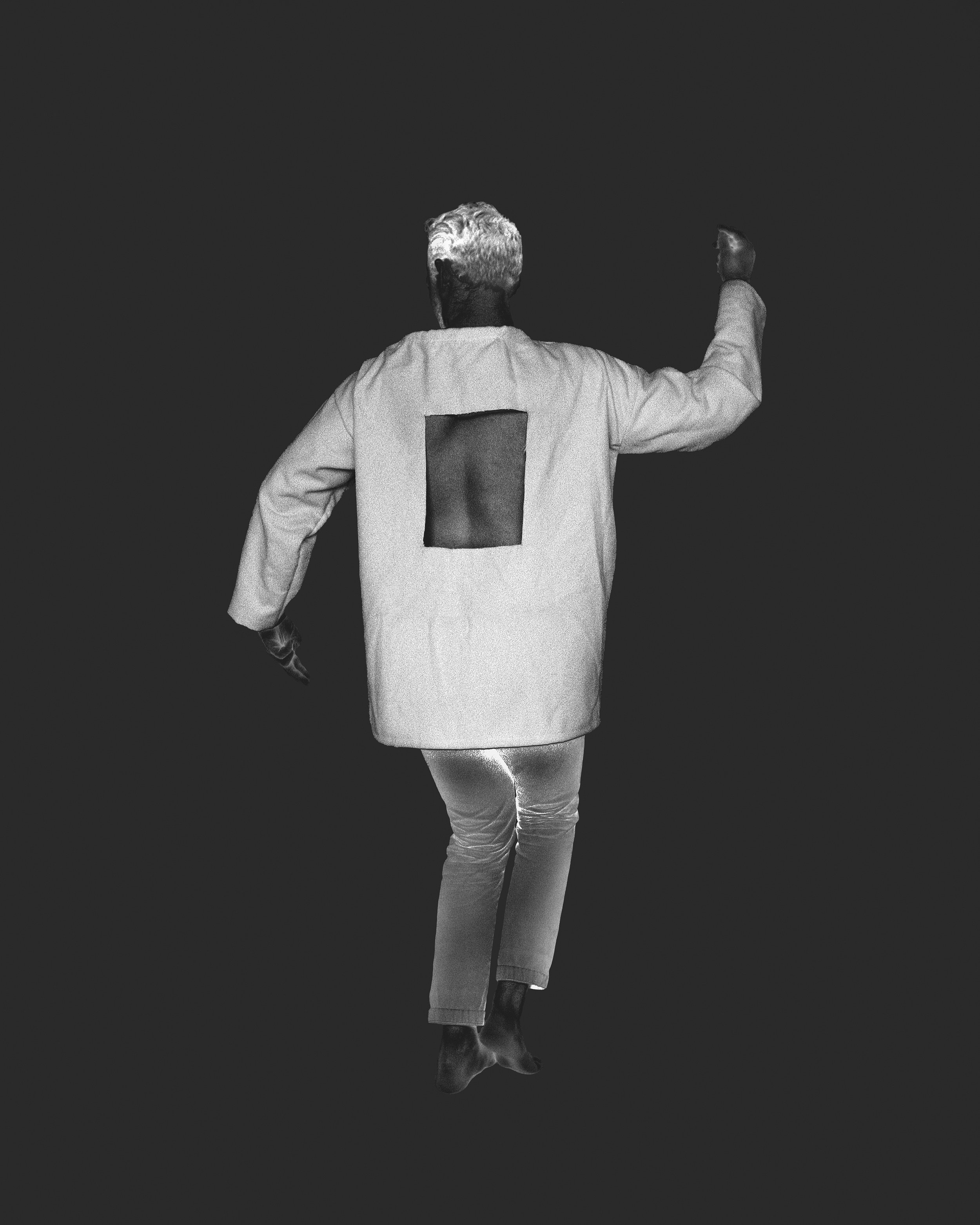
Reliquary V (Japan), 2017-2021 Inkjet print 40 x 50”
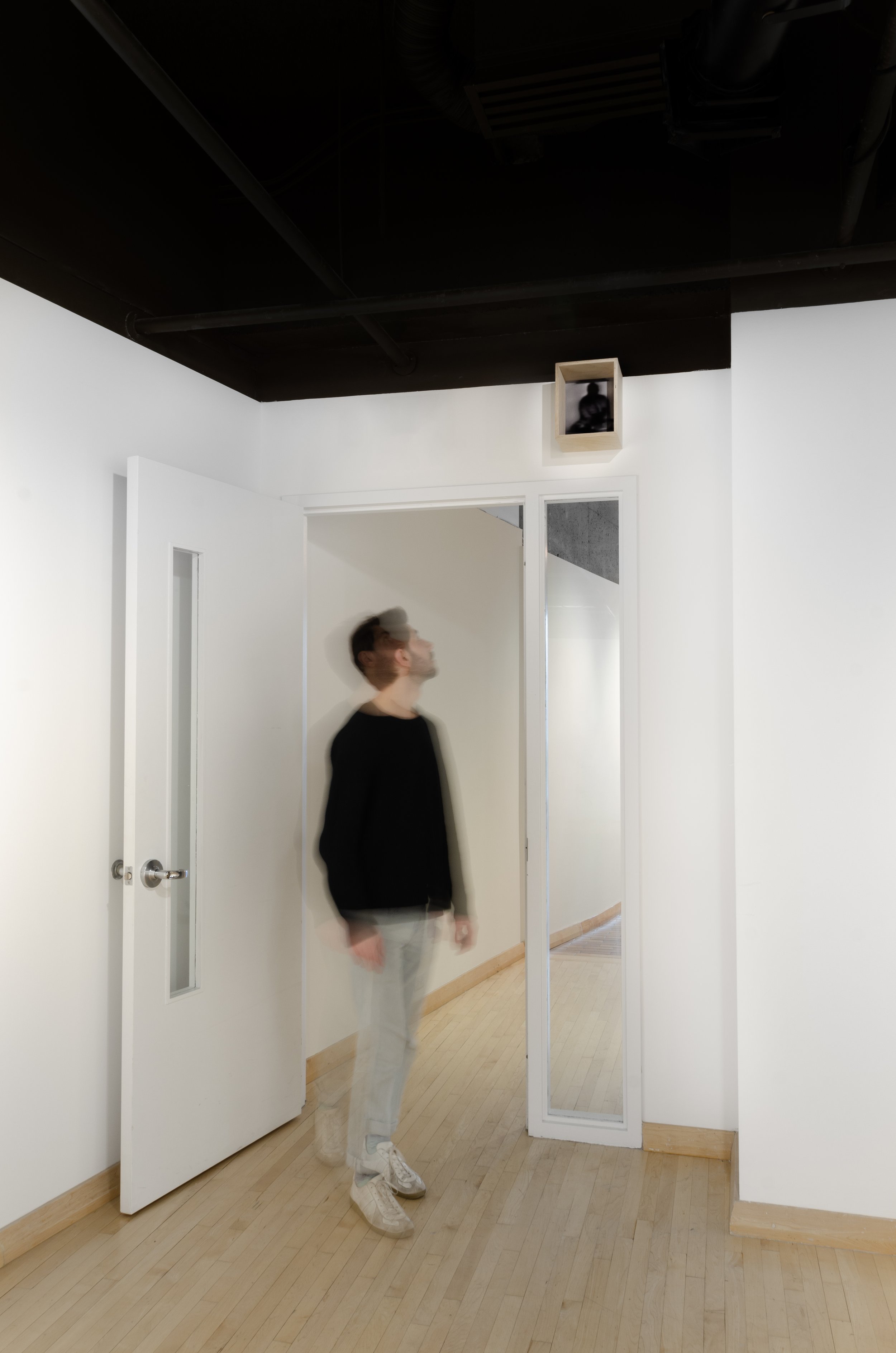
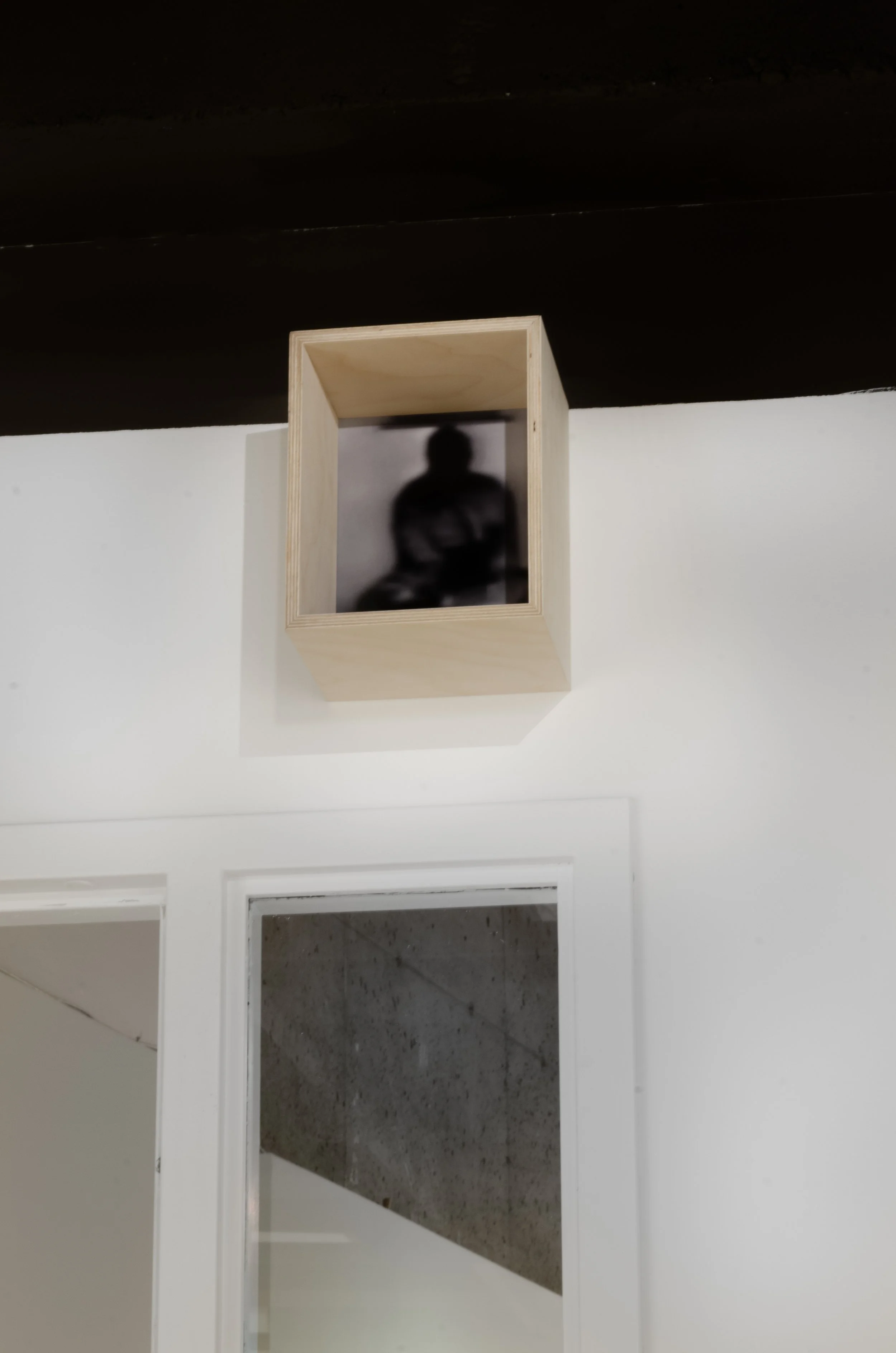
Miroir aux alouettes, 2016-2021 Inkjet print, birch plywood 8 x 10 x 8”
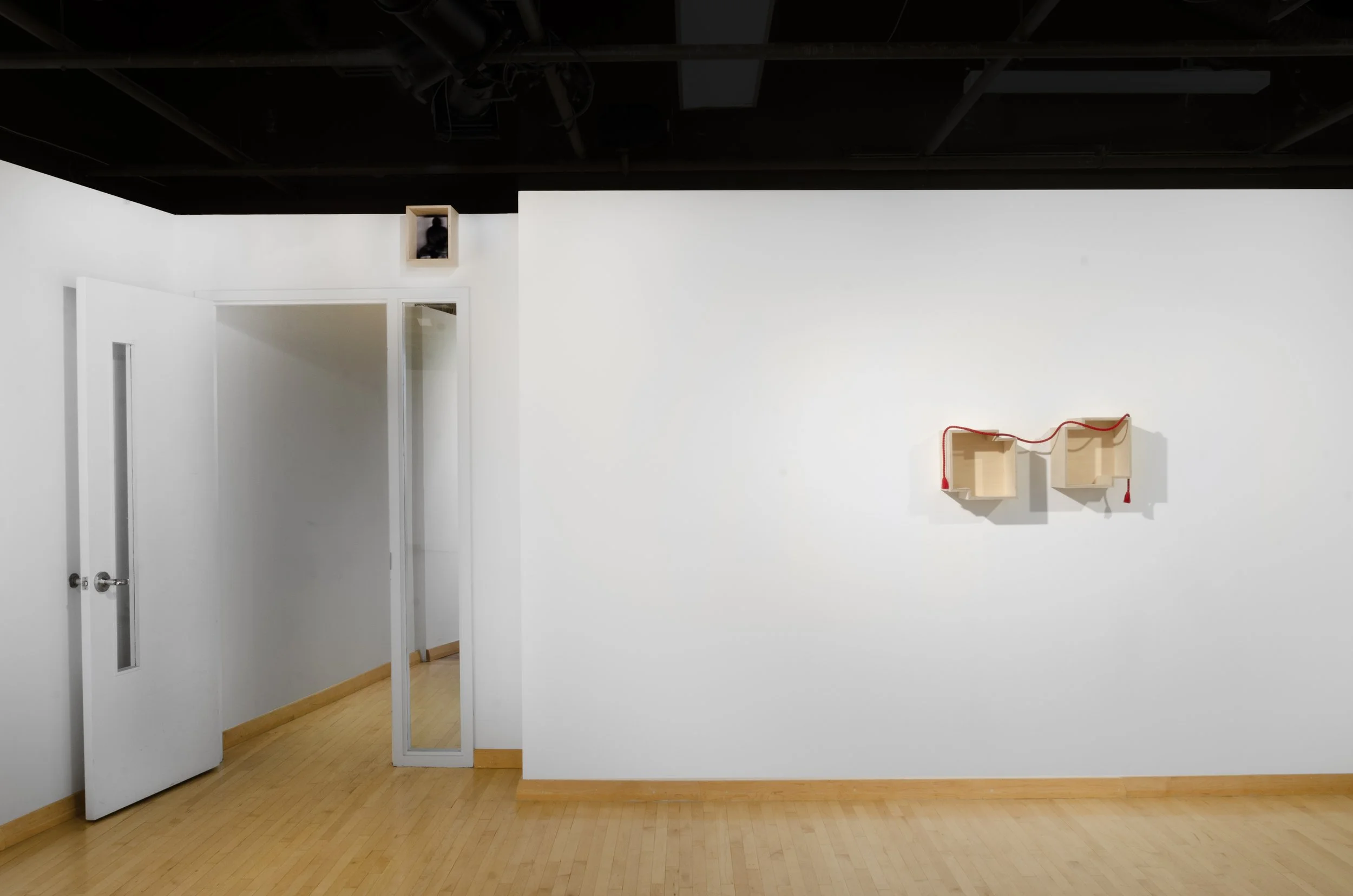
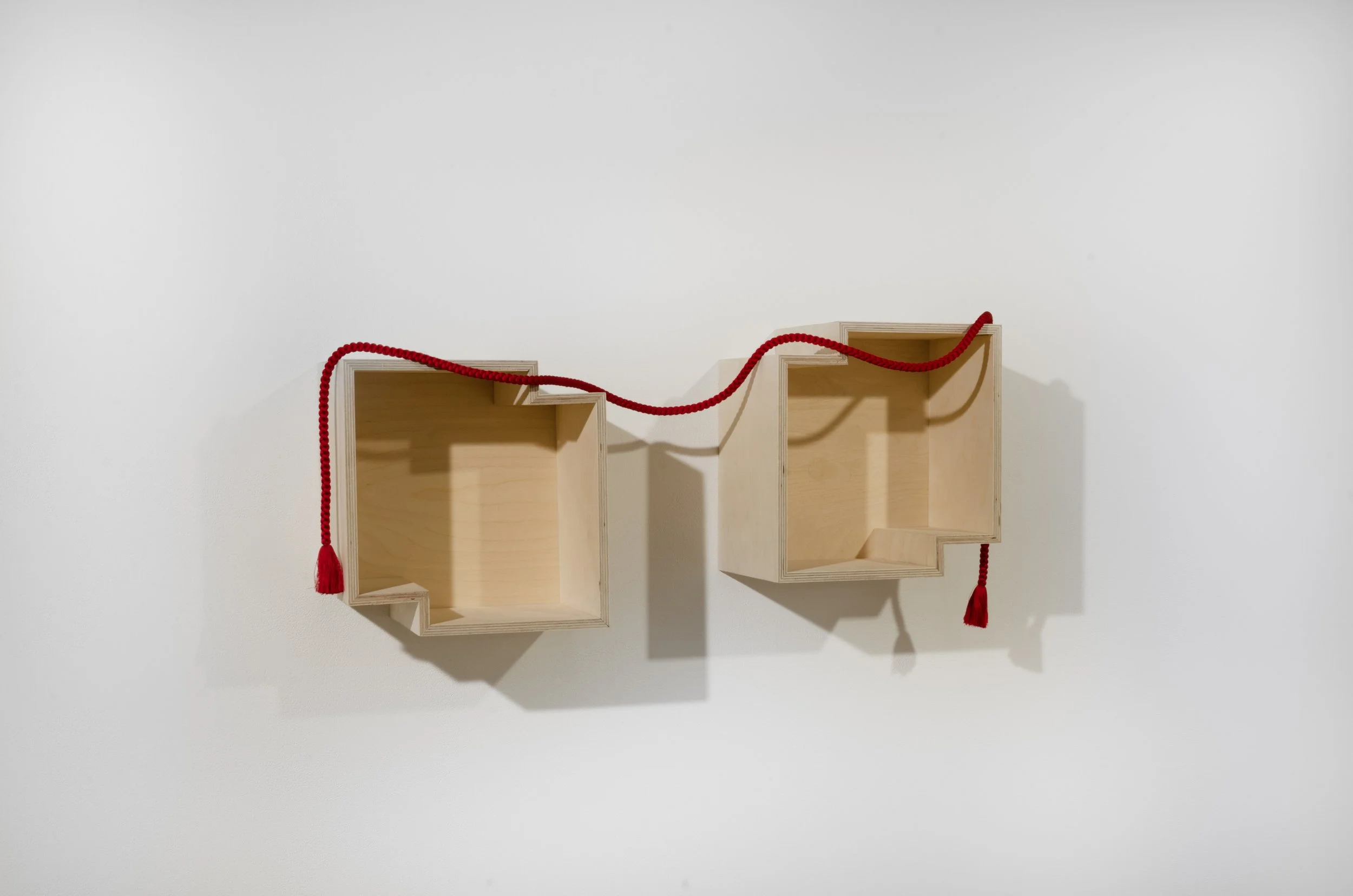
Ship of Theseus, 2020-2021 Birch plywood, silk 10 x 10 x 8” each
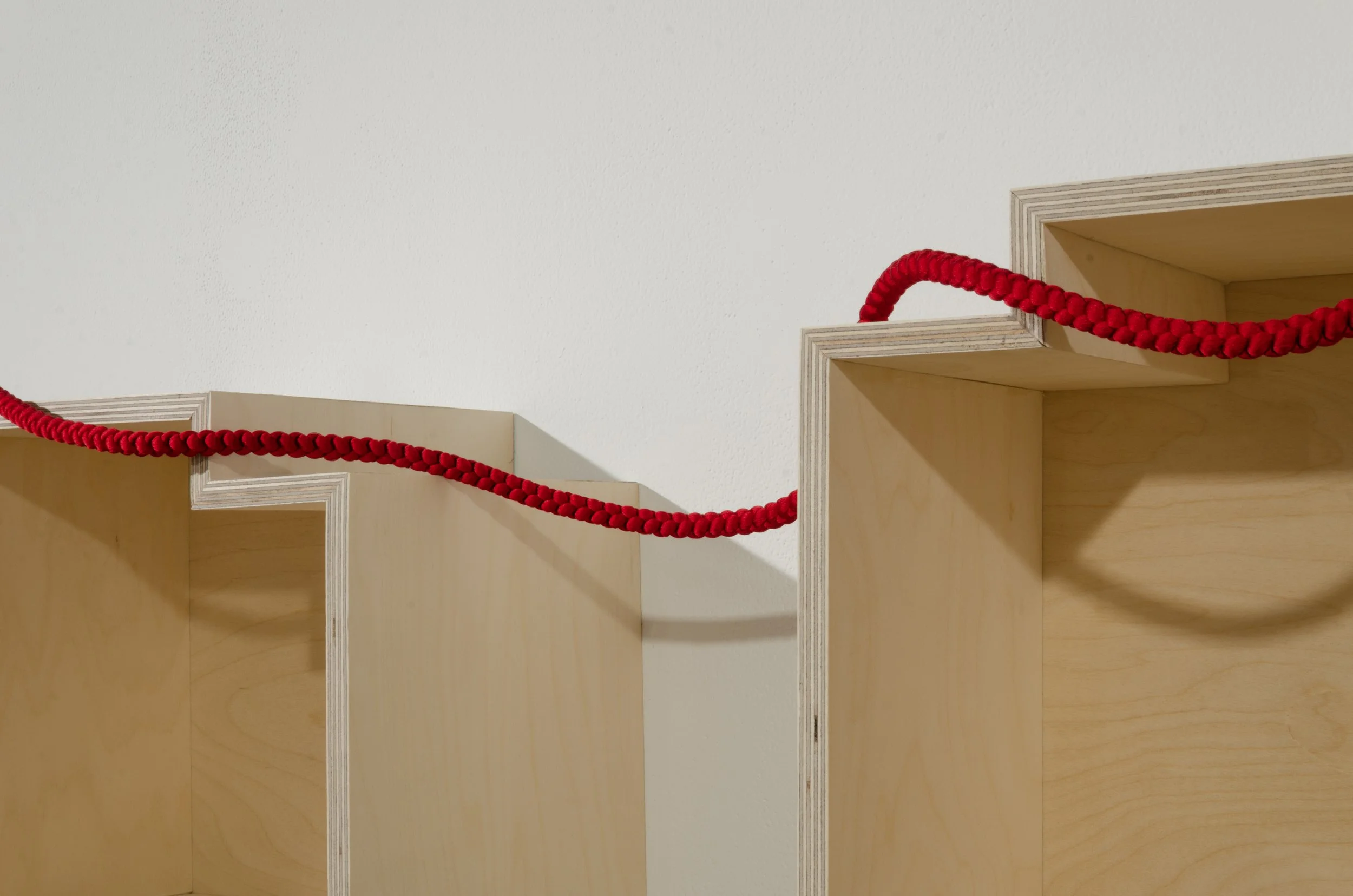
Ship of Theseus, 2020-2021 Birch plywood, silk 10 x 10 x 8” each
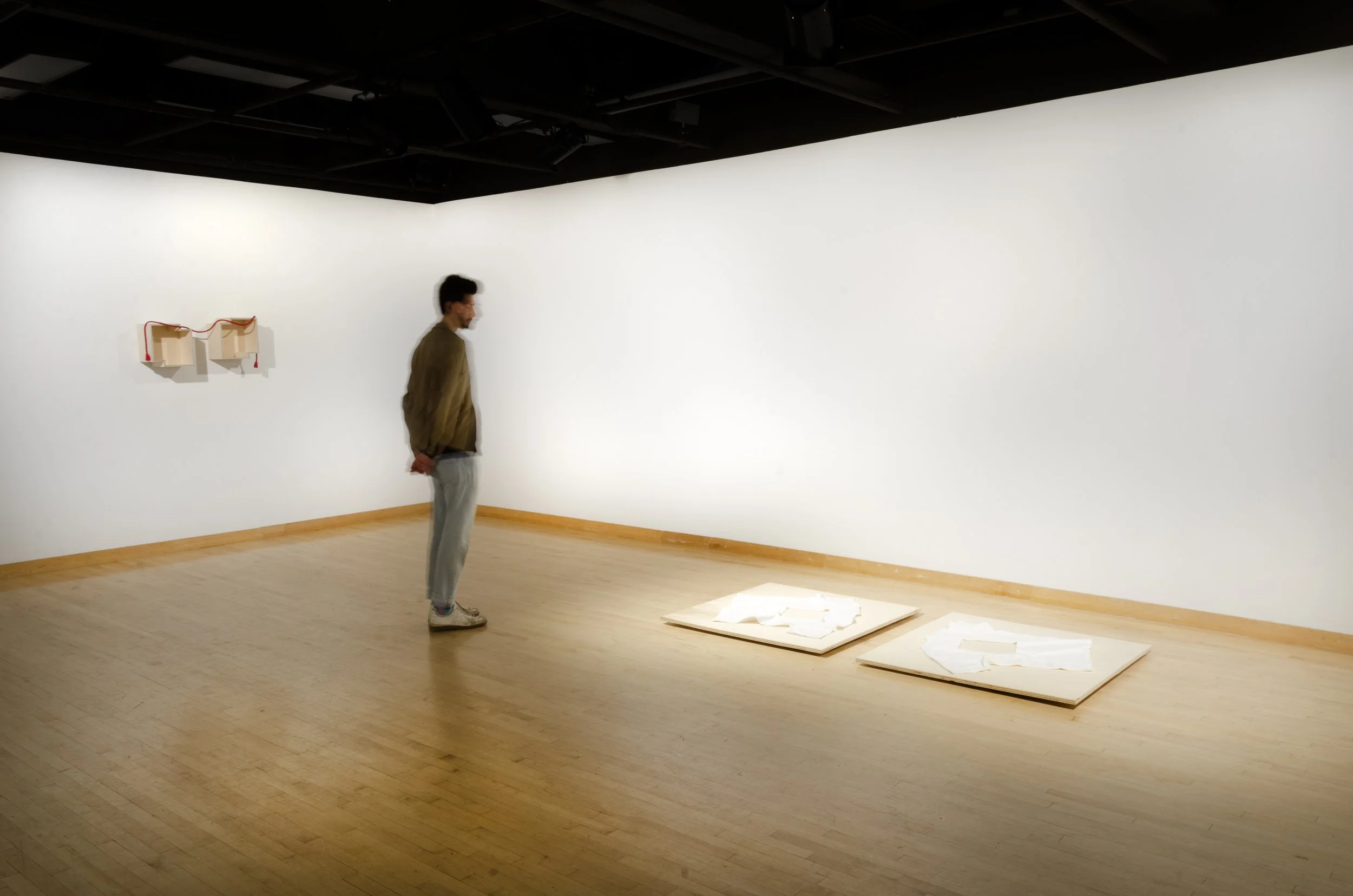
Breath (Double Portrait), 2020-2021 Birch plywood, 2 cotton t-shirts Diptych, 1m x 1m each
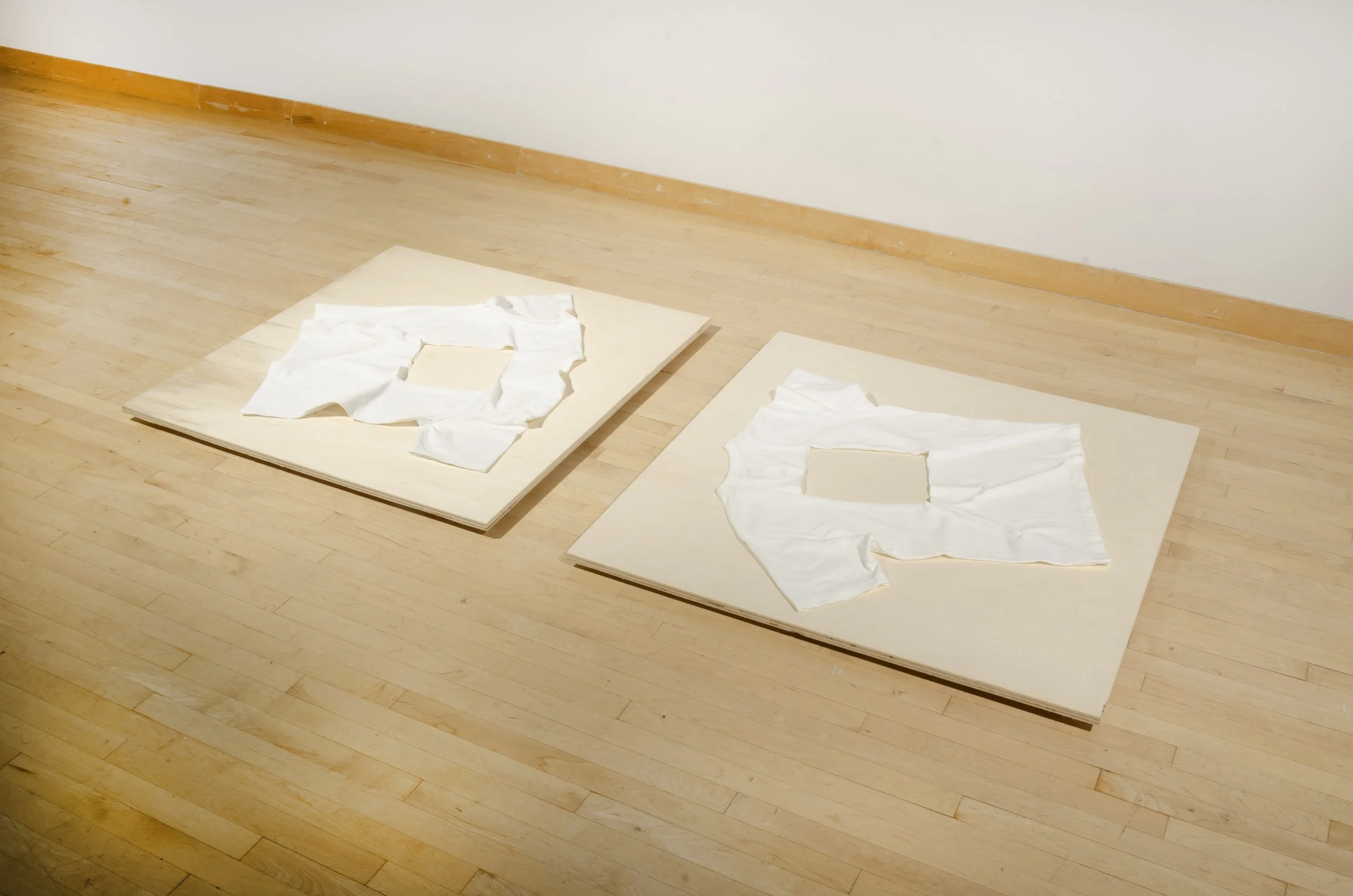
Breath (Double Portrait), 2020-2021 Birch plywood, 2 cotton t-shirts Diptych, 1m x 1m each
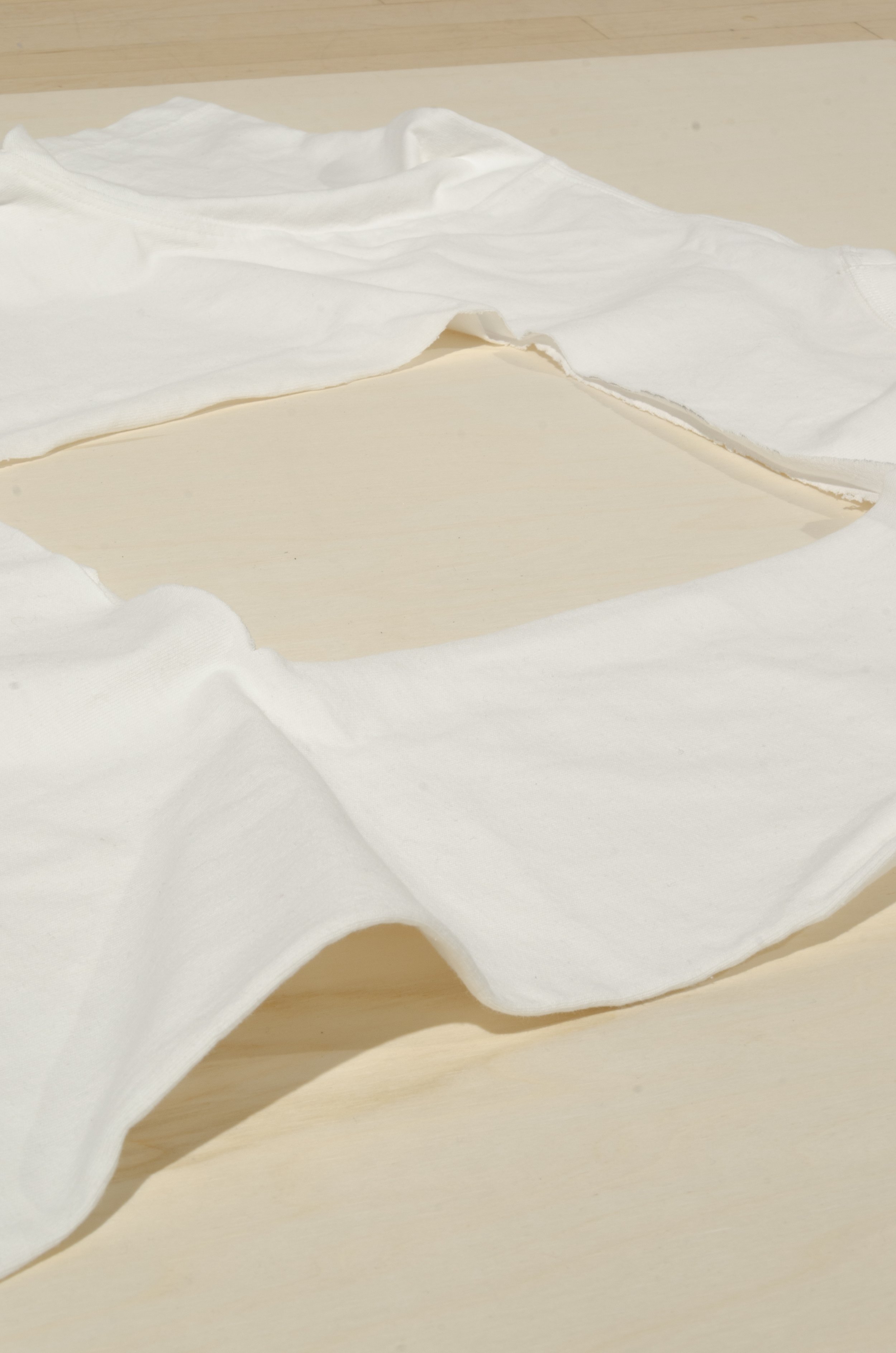
Breath (Double Portrait), 2020-2021 Birch plywood, 2 cotton t-shirts Diptych, 1m x 1m each
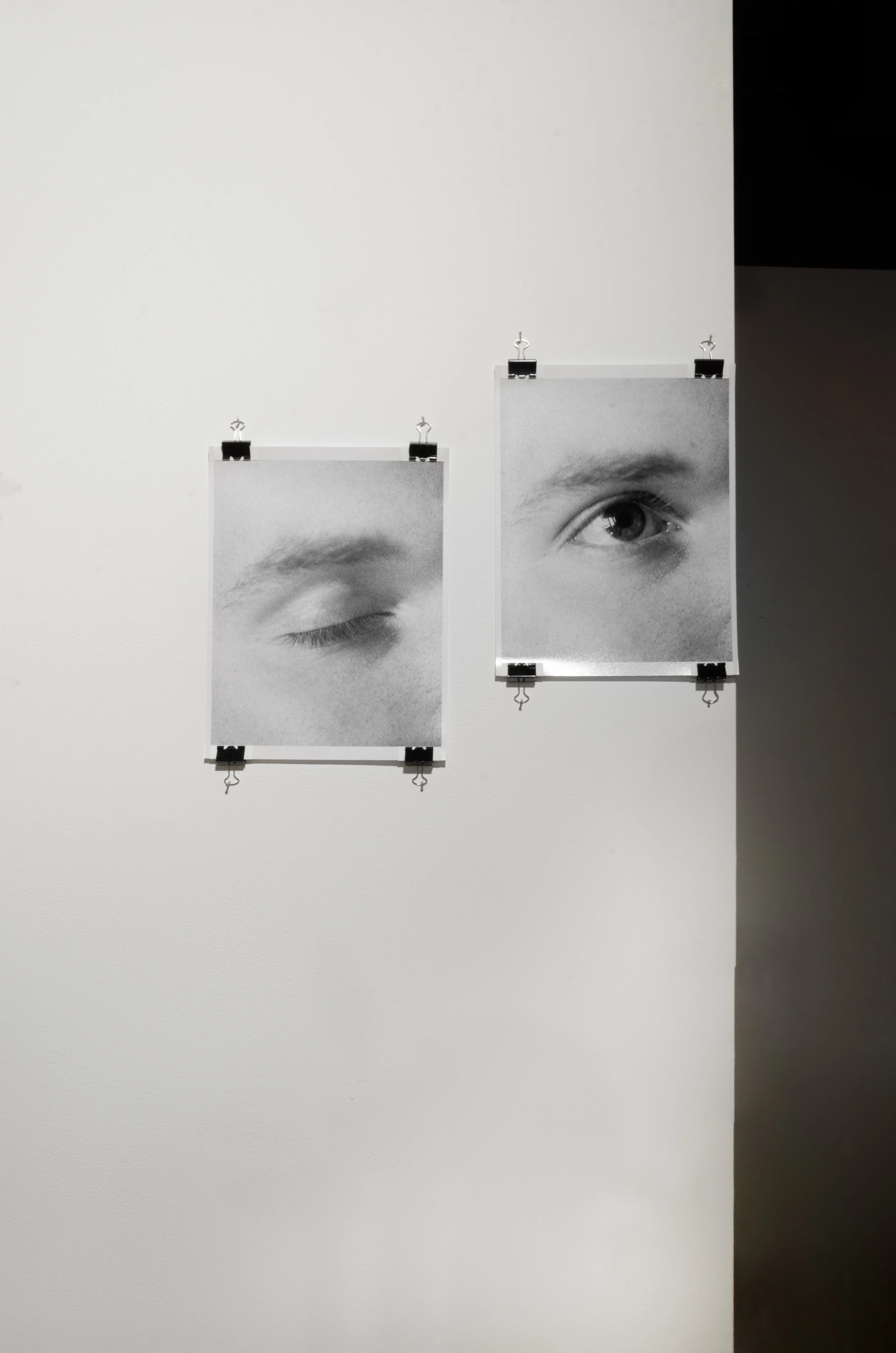
Coryphaeus, 2021 Digital C-print Diptych, 8 x 10” each
Arrière-fond is an invitation to explore the depths — of oneself, but also that of others — in which are found the complex mechanisms of identity construction. These are held within a metaphor which punctuates the exhibition: the tainai ou womb hole. This element refers to cavities sculpted into the backs of buddhist reliquaries which represent deceased Zen masters. This cavity calls for the placing of a relic of the deceased within it to (re)gain the sculpture's life through conjuring. Across the works, the motif of the womb hole is fragmented as it takes the shape of a void in clothing, wooden structures, and photographs all linked by a common size.
This fragmentation ties itself to a complication and broadening of signification of the womb hole: it becomes the locus through which the processes of self construction are revealed and conjured. In this sense, the series Reliquaries, the five central photos of the exhibition, present a person performing gestures collected from image banks linked to five countries: Canada, England, France, Italy and Japan. The grain and the solarisation of the photos confers a spectral aspect to the body. This notably referencing Derrida's hauntology and the notion of performativity. The hole in the models' clothing in addition to their gestures becomes a call to be haunted by the spectres of the five countries with which Paul Lofeodo carries a filial link, symbolic or not. The artist then conjures his influences, by the fact of being evoked, which participate in the formulation and formation of his identity.
Right beside this series, the womb hole is embodied through two double bottomed wood structures place one beside the other. Titled De Spermate in reference to the title of one of the first treatises on embryology, this work echoes the womb as a reminder of the corporeality of identity. From this biological metaphor, one of the trough-lines of Paul Lofeodo's work shows through: that of the collaborative and intersubjective aspect of the identity formation.
The other forms of the womb hole in the exhibition gallery embody different aspects of identity without limiting themselves to that alone. As such, Coryphaeus materialises more specifically the role of the gaze and the image, whether it be real — an open eye — or potential — a closed eye. The work Ship of Theseus1 explores the constant evolutions of identity. The work is composed of a pair of two boxes — or womb holes — which are assembling or dividing. It might perhaps be an illustration of the complexity and the interwoven nature of relations between two Selves, temporally or spatially distant.
Paul Lofeodo's pieces exude a certain opacity to which the troubled image Miroir aux alouettes, hung above the door frame is perhaps referencing. Could it be a refusal of the seductive simplicity? A way to illustrate the complexity of identity? In any case, the exhibition presents only fragmentary traces which each visitor is invited to reassemble to better question themselves through them.
— Olivier Fabry
Arrière-fond est une invitation à explorer les profondeurs — de soi, mais aussi des autres — où résident les mécanismes complexes de construction de l’identité. Ceux-ci sont contenus dans une métaphore qui ponctue l’ensemble de l’exposition: celle du tainai ou trou-matrice. Cet élément réfère à des cavités sculptées aux dos de reliquaires bouddhiques qui représentent des maitres zen décédés. Cette cavité invite à y placer une relique du défunt pour (re)donner vie à la sculpture par conjuration. Au fil des œuvres, le motif du trou-matrice se fragmente en prenant les formes de retraits dans des vêtements, de structures de bois et de photographies toutes liées par un format commun.
Cette fragmentation s’accompagne d’une complexification et d’un élargissement de la signification du trou-matrice : il devient l’endroit par lequel se révèlent et se conjurent les processus de construction de soi. En ce sens, la série Reliquaires, les cinq photos centrales de l’exposition, présente une personne performant des gestes prélevés dans des banques d’images liées à cinq pays: le Canada, l’Angleterre, la France, l’Italie et le Japon. Le grain et la solarisation des photos confèrent aux corps un aspect spectral. Ce dernier fait notamment référence à l’hantologie de Derrida et à la notion de performativité. Le trou dans le vêtement du modèle ajouté à ses gestes devient un appel à être hanté par les spectres des cinq pays avec lesquelles Paul Lofeodo entretient un lien de filiation symbolique ou non. L’artiste conjure alors ses influences qui, par le fait même d’être convoquées, participent à la formulation et à la formation de son identité.
Tout près de cette série, le trou-matrice s’incorpore à travers deux structures de bois à double fond placées l’une près de l’autre. Titrée De Spermate en référence au titre d’un des premiers ouvrages d’embryologie, cette œuvre fait écho à la matrice originelle comme un rappel de la corporalité de l’identité. De cette métaphore biologique, transparait l’une des idées en filigrane du travail de Paul Lofeodo: celle de l’aspect collaboratif et intersubjectif de la formation identitaire.
Les autres formes du trou-matrice présentes dans la salle d’exposition incarnent, sans s’y limiter, différents aspects de l’identité. Ainsi, Coryphée matérialise plus spécifiquement le rôle du regard et de l’image qu’elle soit réelle — l’œil ouvert — ou potentielle — l’œil fermé. L’œuvre Bateau de Thésée explore, quant à elle, les constantes évolutions de l’identité. L’œuvre se compose d’une paire de deux boitiers — ou trou-matrice — qui s’assemblent ou se divisent. Une corde torsadée rouge relie les deux structures. Il s’agit peut-être d’illustrer la complexité et la sinuosité de la relation qu’entretiennent deux soi temporellement ou spatialement éloignés.
Les pièces de Paul Lofeodo dégagent une certaine opacité à laquelle
l’image troublée du Miroir aux alouettes situé en haut du cadre de porte fait peut-être référence. S’agit-il d’un refus des pièges de la simplicité pourtant séduisante? D’un moyen d’illustrer la complexité de l’identité? Dans tous les cas, l’exposition ne présente que des traces fragmentaires dont chaque visiteur est invité à réassembler pour mieux s’interroger à travers elles.
— Olivier Fabry